 Small Business Term Loan
 Small Business Line of Credit
 Equipment Financing
 Bridge Capital
 SBA 7(a)
 HELOC
HELOC Invoice Financing
 Business Financing Options
 Construction
 Restaurants
 Healthcare
 HVAC
HVAC Manufacturing
 Trucking & Transportation
 Automotive Services
 Beauty & Wellness
 Retail
 Veterinarian
 Blog
Blog Funding calculator
 FAQ’s
FAQ’s What we do
 Careers


Aug 07, 2026
5 min read
5 Strategies to Help Your Small Business Navigate Inflation
There are many factors within a small business owner’s control. Inflation...
Read story
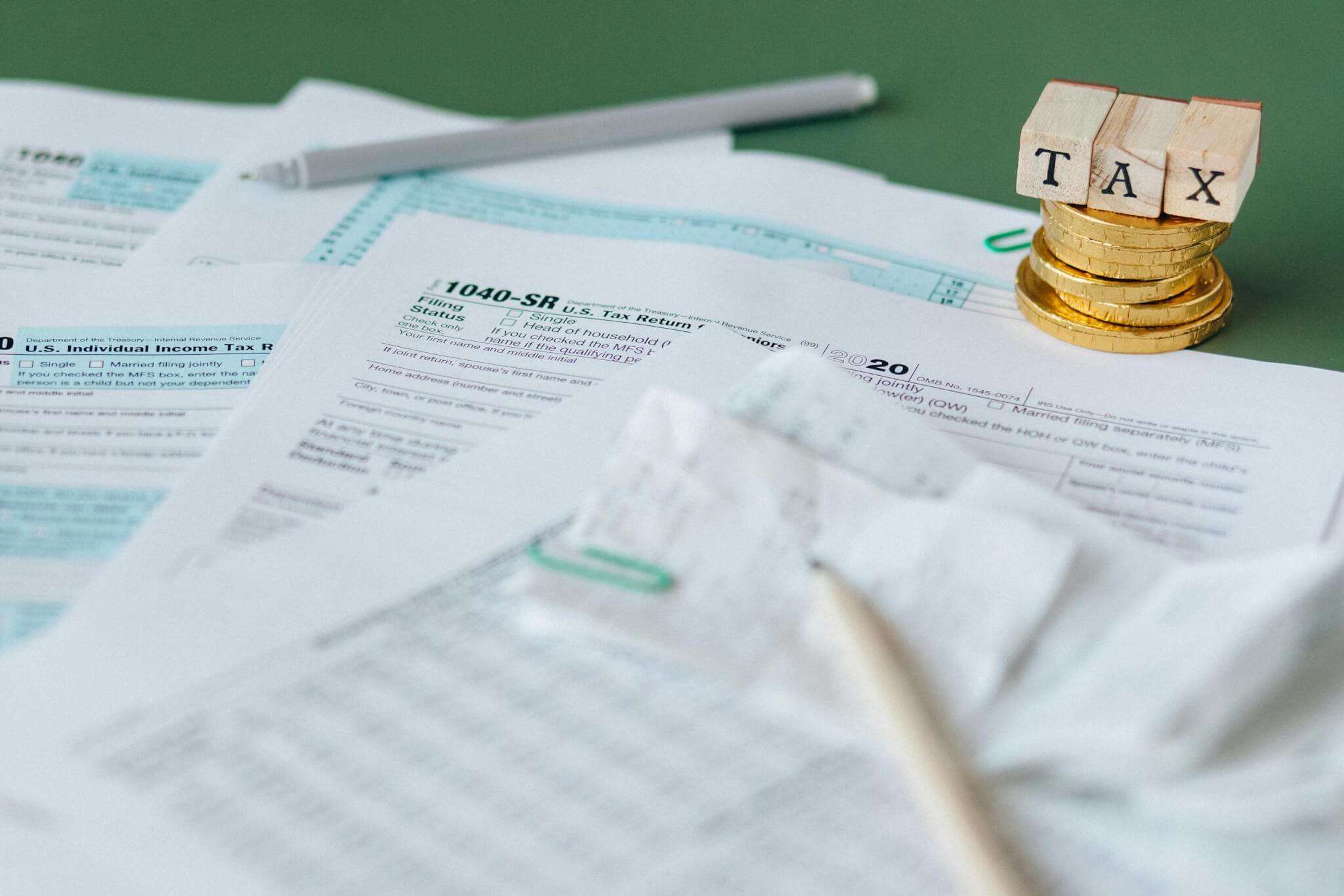
If you’ve ever applied or explored applying for a business loan, you may have come across a few acronyms that sound more technical than they really are: SIC and NAICS.
These codes might just seem like administrative jargon, but they play an important role in how lenders, government agencies, and potential partners categorize your company. You may not know what they are, but your company has these codes. Understanding what they are and how to locate them is a straightforward step that can help you move faster through the loan application process.
SIC and NAICS codes are classification systems used to identify the primary economic activity of your business.
Lenders use these codes to assess industry risk, benchmark your business against competitors, and determine eligibility for certain types of financing or government contracts.
NAICS is the current federal standard, so it’s the code you’ll most often be asked for on loan applications. Here’s how to find it:
You may also use the NAICS Association’s US Company Lookup Tool to search existing business records.
If you’re working with an older lender or filling out documentation that specifically requests an SIC code, you will typically need to use a cross-reference tool.
Several websites, including the NAICS Association, provide “SIC-to-NAICS crosswalks” that let you search by your known NAICS code or by keyword to find the corresponding 4-digit SIC code.Sometimes, your business’s industry classification is listed on your previous tax returns or business registration documents filed with your state, too. Either of these places can be a reliable source to verify your code.
You might be tempted to choose the “closest” code if you can’t find a perfect match, but accuracy is important.
Lenders use these codes to determine your business’s risk profile. If your NAICS code is incorrect, it could lead to complications during the underwriting process, such as issues with industry-specific lending caps or eligibility requirements.
Moreover, says Cody Schuiteboer, President and CEO of Best Interest Financial, “The correct NAICS code determines if a business is eligible for a contract with the government or if a business meets the SBA small-business size standards. The incorrect code can lock a business from doing work it is eligible for.”
By taking a few minutes to look up these codes accurately, you show lenders that you are organized and prepared—qualities they value just as much as the financial data you provide. Once you’ve identified your primary NAICS and SIC codes, keep them on file. Using the same codes across your tax filings, loan applications, and business plans creates a consistent profile that simplifies background verification.
If your business model is unique or straddles two different industries, don’t just guess. Ask for help from a loan officer or accountant. They’re familiar with these classification systems and can help you select the most appropriate code.

Aug 07, 2026
5 min read
There are many factors within a small business owner’s control. Inflation...
Read story

Jun 24, 2026
5 min read
At the mid-point of 2026, the small business sector faces burgeoning...
Read story
Jun 18, 2026
4 min read
For many small businesses, equipment is essential to the operation. Investing...
Read story

A funding specialist will get back to you soon.
If you can’t hang on then give us a call at (844) 284-2725 or complete your working capital application here.