 Small Business Term Loan
 Small Business Line of Credit
 Equipment Financing
 Bridge Capital
 SBA 7(a)
 HELOC
HELOC Invoice Financing
 Business Financing Options
 Construction
 Restaurants
 Healthcare
 HVAC
HVAC Manufacturing
 Trucking & Transportation
 Automotive Services
 Beauty & Wellness
 Retail
 Veterinarian
 Blog
Blog Funding calculator
 FAQ’s
FAQ’s What we do
 Careers
Aug 07, 2026
5 min read
5 Strategies to Help Your Small Business Navigate Inflation
There are many factors within a small business owner’s control. Inflation...
Read story
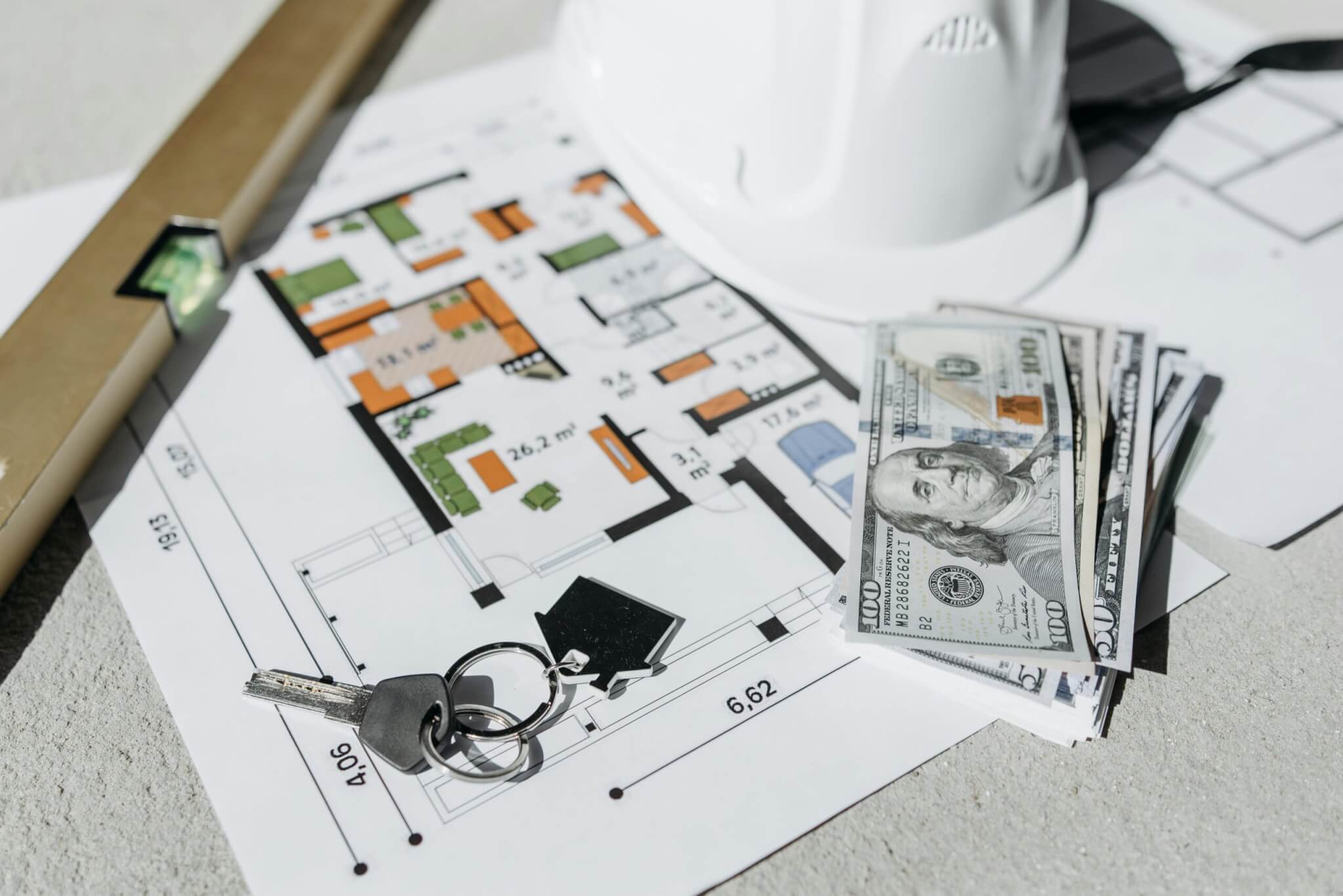
In construction, cash flow is more than a financial metric. It directly impacts your ability to start projects, pay crews, order materials, and keep operations running smoothly. Yet for many contractors and construction business owners, maintaining consistent cash flow is one of the most difficult parts of running the business.
Long payment cycles, retention practices, upfront costs, and unpredictable delays all contribute to uneven cash inflow. Without a strong cash flow strategy, even profitable jobs can create financial strain. The good news is that construction businesses can take specific, practical steps to improve cash flow and build greater financial stability.
In the sections below, we’ll cover nine proven strategies that help construction companies improve cash flow management, reduce financial risk, and operate more efficiently.
A reliable cash flow forecast is one of the most important tools a construction business can use. Instead of relying on a static monthly budget, a rolling cash flow model helps you anticipate when money will come in and when it will go out, often several weeks or months in advance.
In construction, the timing of payments and expenses rarely matches up. You may need to cover material costs, labor, and equipment rentals long before receiving payment from clients. A rolling forecast tracks these patterns by projecting cash movement across a moving time frame, typically 13 weeks. This gives you the ability to prepare for gaps, avoid shortfalls, and make better financial decisions about new projects or investments.
Rolling models also help you see how individual jobs affect your overall cash position. By updating the forecast regularly, especially when project schedules shift or payments are delayed, you can adapt quickly and stay ahead of potential cash flow issues.
Setting clear payment terms is one of the most effective ways to protect your cash flow. In construction, where delays and scope changes are common, vague or informal agreements often lead to slow payments and project disputes. Including specific terms in every contract—such as payment deadlines, late fees, and invoicing schedules—helps set expectations from the start and reduces the chance of misunderstandings.
Your payment terms should reflect the timing of your expenses. For example, if you incur significant costs early in a project, offering Net 30 terms without a deposit can create unnecessary strain. Whenever possible, request an upfront payment and schedule additional payments at key milestones to keep cash moving throughout the job.
Once terms are agreed upon, enforcement matters. Send invoices on time, follow up consistently on past-due accounts, and apply penalties when needed. Clear and consistent practices around payments support healthier, more predictable cash flow across your entire business.
Waiting until a project is complete to invoice can put unnecessary pressure on your cash flow. Progress invoicing and milestone billing offer a more balanced approach by allowing you to bill clients incrementally as work is completed. This ensures a steady stream of income throughout the life of a project, rather than a single large payment at the end.
With progress invoicing, you bill based on a percentage of work completed. Milestone billing, on the other hand, ties payments to specific deliverables or stages of the project. Both methods help align your incoming cash with your outgoing costs, such as labor, materials, and equipment.
These billing models also create clearer communication with clients. When expectations around payment timing are outlined in advance and tied to measurable progress, you’re less likely to face disputes or delays. Consistent billing throughout the project helps reduce financial risk and provides more stability for your day-to-day operations.
Even with clear payment terms and milestone billing in place, delays can still occur. To protect your cash flow, it’s essential to tighten up your invoicing process and stay on top of receivables. The faster you send invoices and follow up on unpaid accounts, the more control you’ll have over incoming cash.
Start by making invoicing part of your standard project workflow. Send invoices immediately after completing a milestone or delivering agreed-upon work. Avoid batching invoices or waiting until the end of the week or month, as this adds unnecessary lag time. Digital invoicing systems can also help reduce errors and speed up delivery.
Once invoices are out, follow a consistent collections process. Track outstanding payments, send reminders before and after due dates, and escalate when needed. Offering digital payment options, such as ACH or credit card, can also shorten the payment cycle and make it easier for clients to pay on time.
Managing cash flow isn’t just about speeding up payments from clients. It also means being strategic about when and how you pay others. By negotiating favorable terms with vendors and subcontractors, you can create more breathing room between your cash inflows and outflows.
Start by reviewing your current payment arrangements. If you’re consistently paying suppliers or subs before receiving payments from clients, your business is taking on unnecessary risk. When possible, negotiate extended terms such as Net 45 or Net 60, especially with larger or repeat vendors. You may also be able to secure discounts for early payments, giving you flexibility based on your cash position.
Clear communication is key during these negotiations. Be transparent about your payment cycles and project schedules, and look for mutually beneficial solutions. Many vendors are open to adjusting terms if it means keeping a steady, long-term business relationship.
Adjusting your outflow timing, even slightly, can have a meaningful impact on your overall cash position—especially when working on multiple jobs at once.
Construction projects often require large material purchases and equipment rentals before any revenue is received. Without close oversight, these costs can quickly eat into your cash reserves. Controlling expenses related to inventory and equipment is a critical step toward stabilizing your cash flow.
Start by tracking what you already have on hand. Overstocking materials may seem like a way to avoid delays, but it ties up cash that could be used elsewhere. Implementing just-in-time purchasing, where feasible, can help reduce excess inventory and minimize waste.
For equipment, evaluate whether renting or leasing is more cost-effective than purchasing outright. Short-term rentals can offer more flexibility and require less upfront investment, especially if the equipment is used infrequently. Review your rental agreements regularly to avoid unnecessary charges and downtime.
Finally, build strong relationships with suppliers. Reliable vendors may be willing to offer better pricing, flexible delivery schedules, or more favorable payment terms, all of which can help improve your cash position over time.
Even the most organized construction businesses experience cash flow gaps. Weather delays, slow-paying clients, or unexpected costs can quickly strain your working capital. That’s why maintaining a line of credit and a cash reserve is essential for long-term stability.
A business line of credit acts as a financial cushion. It allows you to access funds quickly when expenses arise before income is received. Unlike term loans, lines of credit are revolving, so you can draw what you need, repay it, and use it again as needed. Having one in place before cash flow tightens gives you more flexibility and peace of mind.
In addition to financing options, building a cash reserve provides a buffer for slower periods or emergencies. Setting aside a portion of each payment or project profit can help you create a reserve over time. When used strategically, these tools help you stay current on payroll, meet obligations, and avoid making rushed financial decisions under pressure.
Manual processes can make it difficult to track where your money is going and when it’s coming in. Investing in technology gives you greater visibility into your cash flow and helps you manage it more proactively. With the right tools, you can reduce errors, improve efficiency, and make faster financial decisions.
Construction-specific accounting software, such as Quickbooks, can centralize billing, expenses, project budgets, and forecasts in one place. Many platforms offer real-time dashboards that show cash flow status across multiple jobs, helping you spot issues early. You can also automate invoicing, reminders, and payment tracking to reduce administrative lag and improve collection times.
Mobile apps and integrated platforms make it easier to keep field teams and office staff on the same page. When teams can upload receipts, approve expenses, and update project progress in real time, you get a more accurate picture of your financial position.
By using technology to streamline your financial processes, you can free up time, reduce costly delays, and make smarter decisions about how to manage your cash flow day to day.
Improving cash flow isn’t a one-time fix. It requires ongoing monitoring and adjustments based on how your business and projects evolve. By tracking the right financial metrics regularly, you can spot trends, identify problems early, and make informed decisions that support long-term cash flow stability.
Key metrics to watch include your cash conversion cycle, accounts receivable aging, accounts payable turnover, and gross profit margins by project. Reviewing these indicators monthly—or even weekly during busy periods—can highlight where cash is getting held up or where costs are increasing unexpectedly.
It’s also important to revisit your forecasts and budgets as projects shift. Delays, change orders, and client issues can all impact your cash position. When you have a process in place to adjust quickly, you’re more likely to stay ahead of potential problems rather than reacting after the fact.
Continuous improvement in cash flow management helps build resilience. It puts your business in a stronger position to grow, take on new projects, and weather industry fluctuations.



Aug 07, 2026
5 min read
There are many factors within a small business owner’s control. Inflation...
Read story

Jun 24, 2026
5 min read
At the mid-point of 2026, the small business sector faces burgeoning...
Read story

Jun 18, 2026
4 min read
For many small businesses, equipment is essential to the operation. Investing...
Read story

A funding specialist will get back to you soon.
If you can’t hang on then give us a call at (844) 284-2725 or complete your working capital application here.